You're Not Imagining It: Joint Pain Is a Real Part of Menopause.
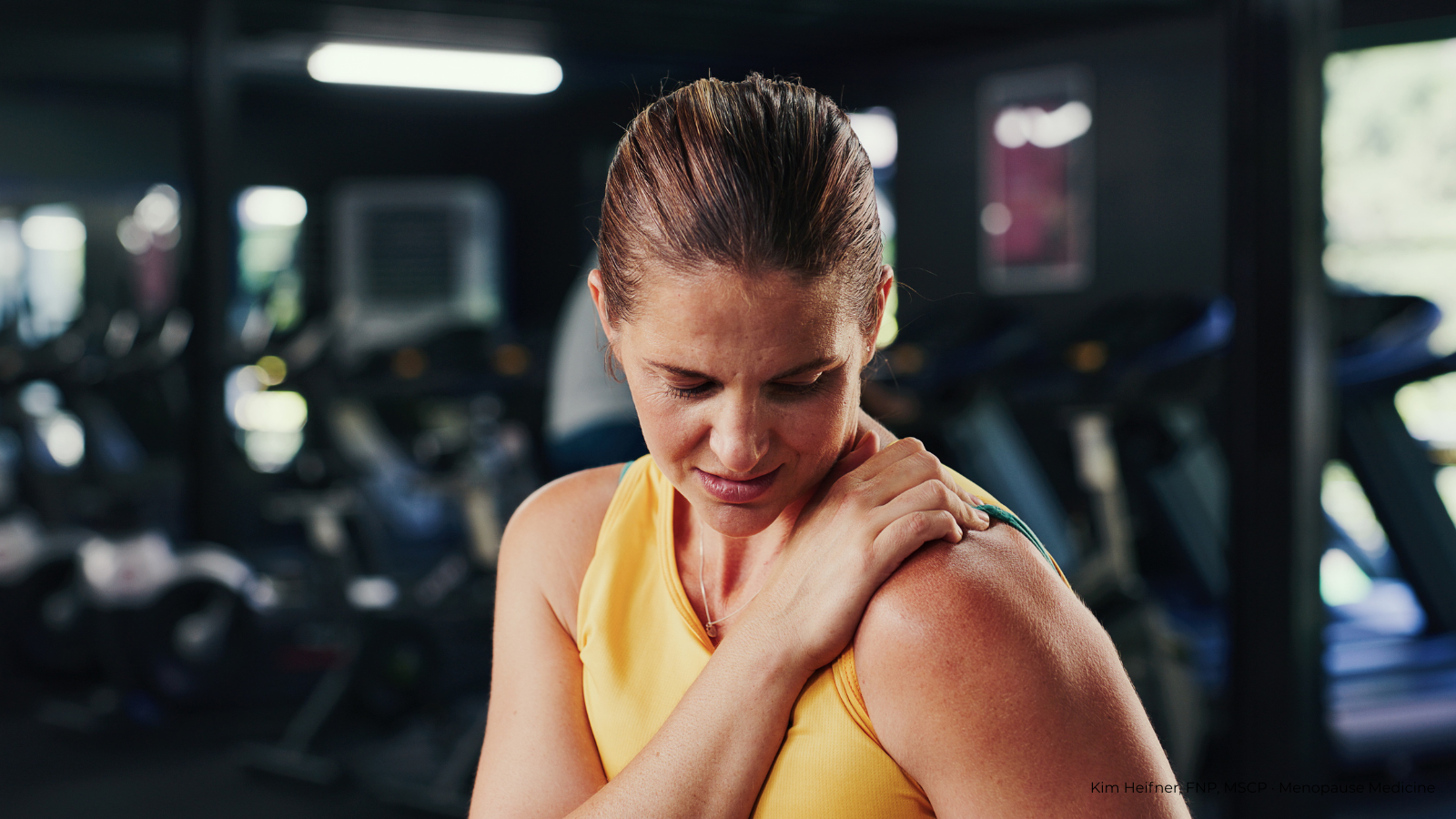
You used to wake up and just... get out of bed. Now there’s a negotiation. Your fingers are stiff. Your hips ache. Your knees creak on the stairs. You haven’t changed anything - your activity level and diet are same, and yet your body feels like it aged a decade overnight.
If you've been waking up feeling like you're 90 years old, with stiff, achy joints that make it hard to get out of bed, you're not alone or imagining it. More than 70% of women experience musculoskeletal symptoms during the transition from perimenopause to postmenopause, and for about 25% of women, these symptoms are severe enough to interfere with daily life.
While most people associate menopause with hot flashes and mood changes, joint pain is actually one of the most common, and most overlooked, symptoms of this life transition. In fact, studies show that over half of perimenopausal and postmenopausal women experience muscle or joint pain, compared to only 40% of premenopausal women.
What Is the Musculoskeletal Syndrome of Menopause?
Researchers, including Dr. Vonda Wright and her colleagues, have introduced a new term to help women and their doctors better understand these symptoms: the musculoskeletal syndrome of menopause. This describes the collection of musculoskeletal changes that happen as estrogen levels decline, including:
-
Joint pain and stiffness (arthralgia)
-
Loss of muscle mass
-
Loss of bone density
-
Progression of osteoarthritis
-
General aches and pains, especially in the morning
These symptoms often occur together and are largely driven by fluctuating and declining estrogen levels. By recognizing them as a syndrome, rather than isolated problems, you and your healthcare provider can better address the root cause.
How Do You Know If Low Estrogen Is Driving Your Joint Pain?
It can be tricky to figure out whether your joint pain is related to menopause or to other conditions like osteoarthritis, which also becomes more common as we age. Here are some clues that low estrogen may be playing a role:
→
Timing matters:
Your joint pain started or worsened during perimenopause or after menopause, particularly if it coincided with other menopausal symptoms like hot flashes or irregular periods.
→
Morning stiffness:
You wake up feeling stiff and achy, but symptoms may improve somewhat as you move throughout the day.
→
Multiple joints affected:
Rather than pain in just one joint, you notice aches in your hands, knees, hips, back, or shoulders.
→
Other menopausal symptoms:
You're also experiencing hot flashes, night sweats, sleep problems, mood changes, or vaginal dryness- all signs of estrogen decline.
→
Sudden onset after hormone changes:
Your symptoms appeared or worsened after stopping hormone therapy, or they improved when you started it.
Research shows that postmenopausal women are more than twice as likely to experience joint pain and stiffness compared to premenopausal women of the same age, and this association is linked to
menopausal status
rather than age alone.
Why Does Estrogen Loss Cause Joint Pain?
Most people know estrogen as a reproductive hormone. What most people, including many clinicians, don’t fully appreciate is that estrogen receptors exist throughout the musculoskeletal system actively maintaining the structural integrity of your cartilage, synovial tissue, tendons, ligaments, muscles, and bone.
When estrogen levels drop:
-
Inflammation increases:
Estrogen has anti-inflammatory effects, so losing it can lead to more inflammation in your joints
-
Pain sensitivity changes:
Estrogen affects how your nervous system processes pain signals
-
Cartilage and bone are affected:
Estrogen helps maintain healthy cartilage and bone, and its loss may accelerate joint degeneration
-
Sleep and mood suffer: Poor sleep and mood changes (which are also affected by low estrogen) can make pain feel worse
During perimenopause, a woman’s estrogen levels go up and down a lot before they finally drop for good. These wild swings can make the body’s immune system react, causing joint pain, stiffness, and swelling that can feel like arthritis. The constant changes are hard on joints and muscles because the body never gets a break from the instability.
Once a woman reaches postmenopause, estrogen levels stay low all the time. Even though the ups and downs are over, the low estrogen means less protection for cartilage, bones, and muscles. Over time, this can lead to thinner cartilage, weaker bones, and loss of muscle, which together increase the risk for osteoarthritis, again, a common cause of joint pain in older women.
So, in short:
Perimenopause = fluctuating estrogen → inflammation and pain from hormonal swings.
Postmenopause = consistently low estrogen → gradual joint wear and tear.
Both stages cause joint problems, but for different reasons- unstable hormones early on, and low hormone levels later.
What Can You Do About It?
The good news is that there are evidence-based strategies to help manage menopausal joint pain:
Lifestyle Approaches
Stay active:
Regular physical exercise is one of the most important things you can do. It helps maintain muscle mass, supports joint health, and can reduce pain. Even gentle movement like walking, swimming, or yoga can help.
Maintain a healthy weight:
Extra weight puts additional stress on your joints, particularly your knees and hips. Weight loss can significantly reduce joint pain if you're carrying extra pounds.
Prioritize sleep:
Poor sleep makes pain worse. Work on sleep hygiene and talk to your doctor if sleep problems persist.
Manage stress: Stress, anxiety, and depression can all worsen pain perception. Consider stress-reduction techniques like meditation, deep breathing, or counseling.
Nourish Your Joints: The Power of Food
What you eat matters for your joints. Research shows that an anti-inflammatory diet can significantly reduce joint pain and slow arthritis progression- sometimes as effectively as medications.
Focus on these joint-friendly foods:
- Fatty fish (salmon, mackerel, sardines) 2-3 times per week for omega-3s. Interestingly, getting omega-3s from actual fish appears more beneficial than taking fish oil supplements, which have shown mixed results in studies.
- Colorful fruits and vegetables for antioxidants that fight inflammation. Think berries, leafy greens, tomatoes, and peppers.
- Whole grains, legumes, nuts, and seeds instead of processed foods and refined carbohydrates.
- Magnesium-rich foods like spinach, almonds, avocados, black beans, and dark chocolate. Studies show that women who don't get enough magnesium have more knee pain. Most Americans fall short of the recommended daily intake.
- Calcium from food sources like dairy, fortified plant milks, leafy greens, and canned fish with bones. Your bones and joints need calcium to stay strong.
- Vitamin D from fatty fish, fortified foods, and safe sun exposure. While vitamin D supplements haven't been proven to reduce joint pain, maintaining adequate levels (ask your doctor to check) supports overall bone and muscle health. I like vitamin D levels between 50-80ng/mL)
What to limit: Processed foods, sugary drinks, refined grains, and excessive red meat have been linked to increased inflammation and faster arthritis progression.
Supplements: Many patients ask about supplements for joint pain. While supplements like glucosamine, chondroitin, and vitamin D are widely used, the evidence is inconsistent and most major medical organizations give them only limited recommendations. Some people report benefit, particularly those with moderate-to-severe pain, and they have minimal side effects. However, they are not a substitute for proven treatments like exercise and hormone therapy when appropriate. If you choose to try supplements, discuss with your provider and don't expect dramatic results. Recent concerning data about fish oil supplements and increased arthritis risk suggests caution with omega-3 supplementation specifically for joint health
The bottom line? You don't need expensive supplements- a Mediterranean-style diet rich in whole foods, fish, and plants may be one of the best things you can do for your joints. Think of it as eating to reduce inflammation throughout your entire body.
out your entire body.
Medical Treatments
Hormone therapy (HT): Studies show that HT can provide modest but meaningful relief from joint pain and stiffness in menopausal women. In the Women's Health Initiative study, women taking HT had better relief of joint symptoms compared to those taking placebo, and they were less likely to develop new aches and pains. I see this clinically in my practice, women report less joint pain. In fact, if joint pain persists despite HT, I often investigate whether their estrogen is being adequately absorbed. HT may be particularly helpful if you also have bothersome hot flashes or other menopausal symptoms. Talk to your medical provider about whether HT is right for you, especially if you start it within a few years of menopause.
Topical pain relievers: Topical NSAIDs like diclofenac (Voltaren) gel or patches are highly effective for joint pain and are recommended as first-line treatment before oral pain medications. They provide pain relief similar to oral NSAIDs but with far fewer side effects since they work locally at the joint. Topical capsaicin cream may also help reduce pain, though it can cause temporary burning at the application site that usually improves with continued use. These topical treatments are particularly useful if you can't tolerate oral medications or want to avoid systemic side effects.
Oral Pain relievers:
Over-the-counter pain medications like acetaminophen or NSAIDs (ibuprofen, naproxen) can help manage symptoms, but talk to your doctor about long-term use.
Physical therapy:
A physical therapist can teach you exercises and techniques to reduce pain and improve function.
What About Testosterone?
You might have heard about testosterone therapy for menopause and wonder if it could help with joint or muscle pain. Current research hasn’t shown a clear benefit for those symptoms- studies so far suggest testosterone doesn’t reliably improve joint pain in menopausal women.
That said, women who naturally have higher testosterone levels often show better muscle strength, less joint discomfort, and a later onset of arthritis. So while using testosterone as a medication hasn’t been proven to create the same effect, it may still play a supportive role for some women when levels are truly low.
At present, the best-supported indication for testosterone therapy in menopause is for persistent low sexual desire that has not improved with other interventions. But like many aspects of midlife medicine, this is an active area of research, and clinical judgment matters. A personalized approach, guided by symptoms and lab results, is key.
In my practice, if someone has no contraindications, I am open to a short, 3–6‑month trial of testosterone to see whether it improves joint pain, body composition, energy, or mood- always using female‑physiological doses and close monitoring. Anecdotal feedback from my patients has included better body composition, mood, energy, and a general sense of wellbeing, but the data are still limited.
If you’re struggling with joint pain, the evidence supports focusing on estrogen replacement (if appropriate for you), exercise, and other targeted treatments- not testosterone first.
Complementary Approaches
Acupuncture:
Some studies suggest acupuncture may help reduce joint pain, though more research is needed.
Yoga: Research shows yoga may help improve musculoskeletal symptoms and overall well-being during menopause.
.
What if you’re on hormone therapy but still have joint pain?
Hormone therapy can lessen menopause-related joint and muscle pain, but it doesn’t always make it disappear right away. Everyone absorbs and responds to estrogen differently, so your dose might not be giving you the levels your body actually needs. The best way to know is through lab testing, not guessing.
If your estrogen is in a good range but you still feel stiff, achy, or sore, low testosterone might be part of the problem, so again a trial of testosterone therapy may be beneficial.
And remember, even with the right hormone levels, healing takes time. Estrogen and testosterone protect joint tissue, but they can’t instantly undo years of wear and tear. It’s about steady progress, not an overnight fix.
When to See Your Doctor
You should talk to your healthcare provider if:
- Joint pain is interfering with your daily activities or quality of life
- You have significant morning stiffness lasting more than 30 minutes
- You notice joint swelling, redness, or warmth
- Pain is severe or getting worse
- You're interested in discussing hormone therapy or other treatment options
Your doctor can help determine whether your symptoms are related to menopause, osteoarthritis, or another condition, and work with you to develop a treatment plan.
The Bottom Line
Joint pain during menopause is real, common, and often linked to declining estrogen levels. Understanding the musculoskeletal changes that come with menopause helps you recognize what’s happening, and more importantly, know that it’s manageable. With the right combination of lifestyle strategies, personalized hormone care, and professional support, you can protect your joints and maintain your quality of life.
You don’t have to accept feeling like you’re 90 when you’re only in your 40s or 50s - or “push through” the pain hoping it will pass. With the right data, guidance, and treatment plan, you can feel strong, mobile, and like yourself again. Optimizing hormone therapy is both art and science. If you’re ready to make sure your treatment, and your results, match your biology, let’s take a closer look together.