Don’t Major in Minor Things!

After nearly 30 years in clinical practice, I’ve watched wellness trends come and go. In 2025, peptides, injectables, and “precision longevity medicine” are having a big moment, and to be fair, there is real science behind some of it. For example, GLP‑1 medications like semaglutide (a peptide) have strong clinical trial data for treating obesity and reducing major cardiovascular events in high‑risk patients.
At the same time, many of the “longevity peptides” being marketed online, like BPC‑157, TB‑500, and various growth‑hormone–releasing blends- either lack robust human data, are studied only in very specific medical contexts, or are being sold as unregulated research chemicals with unclear purity and long‑term safety. So while peptides may have a place in carefully selected, medically supervised situations, they are not the foundation of health or longevity for most people.
That foundational role still belongs to what Jim Rohn would call “the majors”: movement and strength training, circadian rhythm alignment, sleep, stress management, nutrition, and social health. These are the levers that consistently show up in the research as adding real, measurable years to your life- and they are the same levers I practice myself and teach my patients.
This isn’t biohacking. It’s biology. It’s aligning your daily habits with how your body is actually designed to function.
#1 Exercise + Movement: Build Strength, Prioritize Joy
Strength training is one of the most powerful longevity tools we have. A large study of over 4,800 adults found that people who did about 90 minutes of strength training per week had telomeres consistent with being nearly 4 years “younger” in biological age compared with people who did none. Telomeres are the protective caps on your chromosomes; longer telomeres are associated with slower cellular aging.
Strength training:
- Preserves muscle, which boosts metabolism, stabilizes blood sugar, and supports joint and bone health.
- Reduces risk of heart disease, diabetes, frailty, and falls as we age.
- Improves brain health and mood by increasing brain-derived neurotrophic factor (BDNF), which supports neuroplasticity and cognition.
But there’s another side that matters just as much: joy.
When you do movement you actually enjoy, your brain releases a powerful cocktail of neurochemicals: endorphins (your natural ‘feel‑good’ pain-relief chemicals), endocannabinoids (your body’s own calming, ‘runner’s high’ molecules), and dopamine (your motivation and reward chemical). Over time, that “joy-based” movement rewires your reward circuits so exercise feels more like a gift than a chore.
That’s why I personally incorporate dance workouts- because I love to dance. Dance blends:
- Strength and mobility.
- Cardio.
- Brain stimulation through rhythm and coordination.
- Joy, expression, and sometimes even social connection.
For you, joyful movement might be:
- Walking or hiking outdoors.
- Swimming.
- Group fitness, dance classes, or water aerobics.
- Yoga or Pilates.
- Recreational sports.
What matters most is consistency, not perfection.
Simple ways to start:
- Aim for at least 90 minutes per week of strength training (2–3 sessions of about 30–45 minutes, or start with 2-3 sessions of about 20 minutes).
- Add daily movement you enjoy- walking, dancing, stretching, or short “movement snacks” between tasks.
- Let go of the “no pain, no gain” mentality. Sustainable, joyful movement is better for your brain and your longevity than punishing workouts you dread.
#2 Circadian Rhythm: Your Body’s 24-Hour Operating System
Every cell in your body runs on a 24-hour clock, not just your brain. These circadian rhythms regulate hormones, metabolism, immune function, inflammation, and even gene expression.
When your internal clock is aligned with light, dark, and mealtimes, things run smoothly. When it’s misaligned- think late nights, irregular sleep, screens in bed, late-night snacking- your risk for insulin resistance, weight gain, mood problems, and cardiometabolic disease climbs.
Light is the master circadian signal!
Morning light:
- Bright light, especially from the sun, hits special cells in your eyes (ipRGCs) that send timing signals to your brain’s master clock.
- This sets the daily rhythm of cortisol (alertness) in the morning and melatonin (sleep) at night.
- Natural sunlight is significantly more potent and well-balanced than indoor artificial lighting, which frequently exhibits distorted or restricted wavelengths. While I am working on my computer throughout the day, I prefer to position myself next to a window (often left open even when it's cool outside) to take advantage of natural light instead of relying on artificial light.
Evening light- especially blue light from screens- is where many people get into trouble. Blue wavelengths around 460–480 nm strongly suppress melatonin, even in short exposures, and can delay your sleep and disrupt sleep architecture.
That is why:
- Natural light beats artificial light any day of the week.
- Limiting blue light and screens in the 60–90 minutes before bed is one of the simplest, highest-yield habits you can adopt for sleep and hormones.
Timed eating (time-restricted eating) is another circadian lever. Eating within a consistent 8–12 hour daytime window and avoiding late-night eating:
- Improves insulin sensitivity and blood sugar control.
- Reduces inflammation.
- Supports weight management and metabolic flexibility.
Simple circadian steps:
- Get outside or to a window with bright natural light within 30 minutes of waking.
- Keep a consistent eating window (for example, 8 am–6 pm) and avoid eating 2–3 hours before bed.
- Use natural light whenever possible, and choose warm, dim light in the evening.
- Limit screens for at least 60–90 minutes before sleep; if you must use them, enable night mode.
#3 Sleep Optimization: Your Nightly Repair Shift
Sleep is when your body does its deepest repair.
During good-quality sleep:
- Your brain’s “cleaning system” clears waste products linked to cognitive decline.
- Immune cells strengthen and coordinate.
- Hormones such as growth hormone and melatonin support tissue repair, metabolism, and immune function.
- Your body recalibrates inflammation and blood sugar.
Poor sleep is consistently linked with higher risk of obesity, heart disease, diabetes, depression, and dementia, and with faster biological aging.
It’s not just about total hours. You want:
- Enough deep sleep (physical repair).
- Enough REM sleep (emotional processing, memory, and cognition).
- Minimal fragmentation from waking up repeatedly.
Wearables like the Oura Ring may be helpful here. Oura:
- Tracks total sleep, deep and REM stages, and night-time heart rate variability.
- Monitors temperature trends.
- Helps you see patterns- like how late meals, alcohol, stress, or screen time affect your sleep.
You don’t need a gadget, but if you like data and act on it, tools like Oura can turn guesswork into feedback.
Simple sleep upgrades:
- Aim for 7–8 hours of sleep on a consistent schedule.
- Keep bedtime and wake time within the same 30–60 minute window daily, even on weekends.
- Make your bedroom cool, dark, and quiet.
- Avoid screens 60–90 minutes before bed; read, stretch, breathe, or journal instead.
- Consider using a sleep tracker if you’re curious about how your habits show up in your sleep data.
For women in the menopause transition or early postmenopause with significant night sweats, hot flashes, or sleep disturbances, menopausal hormone therapy (MHT) can be an important tool to improve sleep quality. Large trials and a meta-analysis show that HT improves self‑reported sleep in women who have vasomotor symptoms, mainly by reducing nighttime awakenings from hot flashes and night sweats. The Menopause Society’s 2022 position statement notes that hormone therapy is the most effective treatment for VMS and can also improve sleep in women with bothersome nighttime symptoms, with some evidence that transdermal estrogen and nighttime oral micronized progesterone support sleep beyond just symptom relief. Like any prescription therapy, HT needs an individualized risk–benefit discussion, but for the right woman, it can be a powerful foundation alongside the lifestyle pillars above.
#4 Stress Management: Calming the Cortisol Curve
Cortisol itself is not the enemy- you need it to wake up, respond to life, and handle challenges. The problem is chronic, unrelenting stress and a cortisol pattern that stays high at the wrong times.
Recent work suggests that higher and more dysregulated cortisol levels are associated with accelerated biological aging and increased risk for chronic disease.
When stress becomes chronic, you may see:
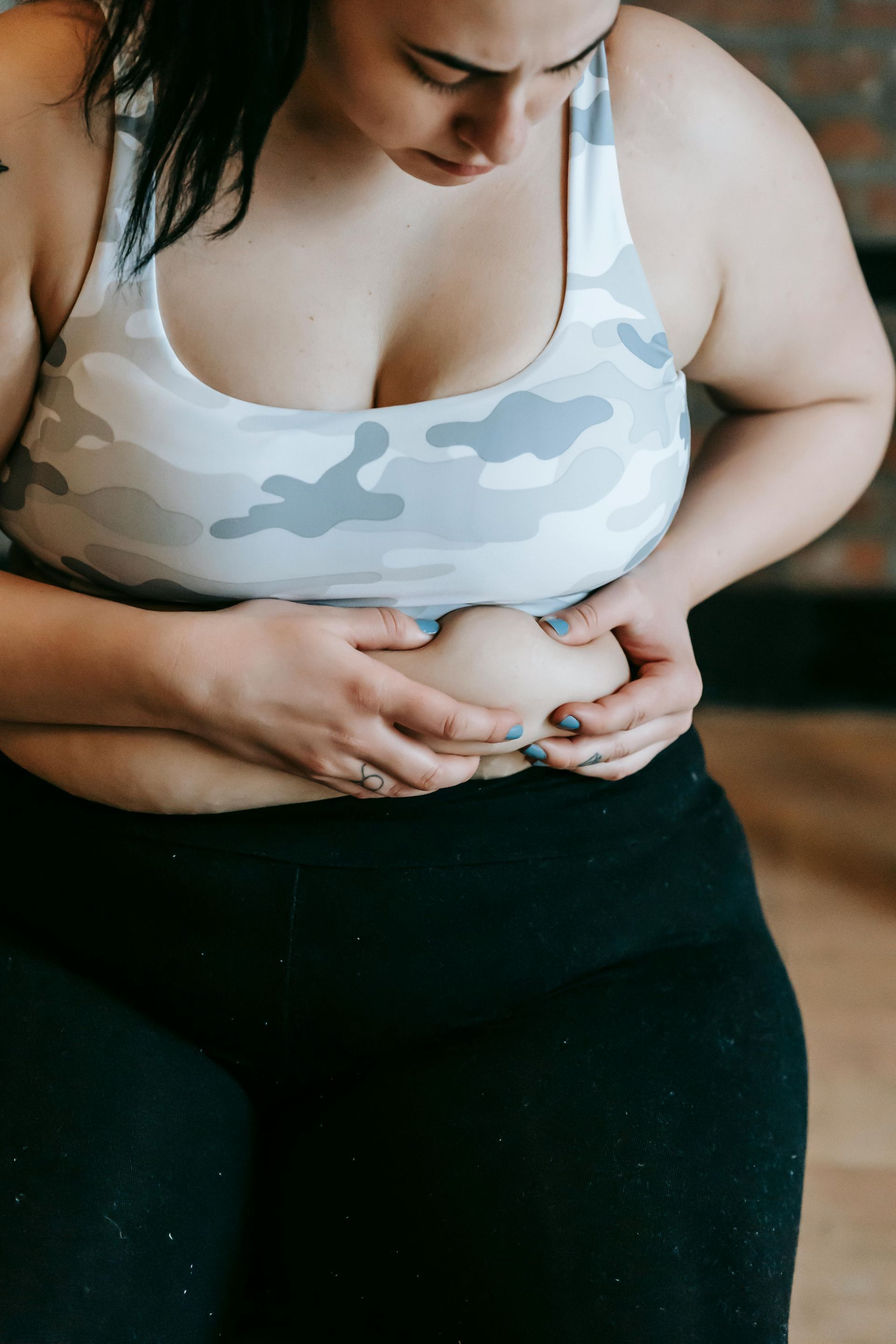
- More belly fat and insulin resistance.
- Higher blood pressure.
- Increased inflammation.
- Sleep problems.
- Mood changes and brain fog.
You can’t remove all stress, but you can train your system to recover faster and spend more time in ‘rest-and-digest’ mode. Research also shows that how we think about stress matters- reframing stress as a challenge we can grow through, rather than a threat that will break us, is linked with better coping, fewer physical symptoms, and better mental health outcomes. For example, instead of telling yourself ‘I’m so stressed out,’ you might say, ‘This is a challenging season, but I can handle it,’ or ‘This is hard right now, and it won’t always be this way.’ This kind of cognitive reappraisal helps the brain shift out of threat mode and supports more adaptive stress responses.
Evidence-based practices that help:
- Morning sunlight, which anchors your cortisol peak in the right part of the day.
- Regular movement and strength training, which improve stress resilience over time.
- Mindfulness and meditation; even brief daily practice can reduce cortisol and improve emotional regulation.
- Time in nature, which has been linked to lower stress markers and improved mood.
- Social connection, which increases oxytocin (our bonding chemical) and reduces the health harms of loneliness.
Simple stress practices:
- Start with 5–10 minutes of daily breathing, prayer, or meditation. I enjoy habit stacking, so I’ll incorporate these while using red light therapy!
- Move your body most days of the week, even gently.
- Get outside in morning light, or sit by an open window.
- Choose one small “unplugged” window each day (no news, no social media).
- Protect time with people who feel safe and supportive.
#5 Red Light Therapy: A Helpful Multiplier
Red and near-infrared light therapy have growing clinical support. These wavelengths are absorbed by mitochondria and can increase ATP (cellular energy) production and reduce oxidative stress.
Studies show benefits for:
- Skin health: improved collagen, reduced redness and inflammation, better healing.
- Muscle recovery: less soreness and faster recovery after exercise.
- Joint and soft tissue pain in some people.
Personally, I use:
- A red light mask for my face and skin health.
- A panel that I can sit or stand in front of for full-body support and post-exercise recovery.
I think of red light therapy as a multiplier- not a foundation. It enhances the benefits of movement, sleep, and circadian alignment, but it doesn’t replace them.
#6 Wearables That Actually Help: Oura & WHOOP
Not every gadget is worth your money, but some can genuinely support behavior change if used well.
Oura Ring:
- Excellent for sleep tracking and circadian insights.
- Reports sleep stages, HRV, resting heart rate, and temperature trends.
- Helps you see how specific choices (late meals, alcohol, screen time, exercise timing) impact your sleep and recovery.
WHOOP:
- Focuses on recovery and strain.
- Gives you a daily recovery score to guide whether to push hard or rest.
- Can reduce injury risk and improve training adaptation by aligning exercise intensity with your body’s readiness.
These tools are optional. The core habits- movement, strength, light, sleep, nutrition, and stress and social health- work with or without wearables. But if you’re the kind of person who likes evidence and feedback, they can be powerful.
#7 Social Health: Belonging as a Longevity Factor
Loneliness and social isolation are now recognized as independent risk factors for early death- on par with smoking and obesity in some analyses. Social isolation is linked with higher cortisol, more inflammation, worse sleep, depression, and cognitive decline.
On the flip side, meaningful relationships and community:
- Lower stress.
- Improve emotional resilience.
- Are associated with longer life and better overall health.
Simple social health steps:
- Schedule regular time with friends or family (even one standing weekly connection can make a difference). Take time to visit with your neighbors for a few minutes. Chat with others while waiting in line or checking you out at the store!
- Consider group-based movement like classes or walking groups for both physical and social benefits.
- Join communities that feel aligned with your values- faith, hobbies, support groups, learning communities.
#8 Food: Mediterranean Simplicity + Time-Restricted Eating
The Mediterranean pattern remains one of the most evidence-backed ways of eating for cardiovascular health and longevity. For women, adherence to a Mediterranean diet has been associated with significantly lower risk of all-cause mortality and major chronic diseases.
Basic Mediterranean-style principles:
- Lots of vegetables, fruits, whole grains, beans, lentils, nuts, and seeds.
- Olive oil as the primary fat.
- Fish and seafood regularly; poultry and eggs in moderation.
- Limited processed foods, sugary drinks, refined grains, and highly processed meats.
Pairing this with a simple time-restricted eating window (for example, eating between 9 am and 6 pm most days) supports metabolic health, circadian alignment, and weight management without strict rules or counting.
Putting It All Together
The majors are simple, not easy, but they are accessible:
- Move your body daily and build strength (aim for ~90 minutes per week of resistance training).
- Choose joyful movement, like dancing, so you actually want to keep going.
- Anchor your day with natural light, especially in the morning, and protect your evenings from blue light and screens.
- Prioritize 7–8 hours of high-quality, consistent sleep.
- Manage stress by supporting your nervous system, not shaming yourself for feeling overwhelmed.
- Eat Mediterranean-style within a simple time window.
- Nurture your relationships and resist isolation.
- Use tools like red light therapy, Oura, or WHOOP if they help you implement the foundations more consistently.
These are the things that truly move the needle on health, hormones, and longevity. They are what I practice myself and what I teach my patients.
If you’re ready to align your daily habits with your midlife body and long-term health, these are the best places to start. "Don’t major in minor things" - direct your energy on the habits that are consistently shown to support longevity: movement and strength, light and sleep, stress regulation, nourishment, and connection.
If you’d like personalized support applying these foundations to your own hormones, symptoms, and life season, you’re welcome to schedule a visit with me for menopause-focused telehealth care or an educational consultation. Together, we can build a plan that’s realistic, evidence-based, and aligned with your values.