A Clear, Evidence-Based Guide for Menopausal Women
Introduction: Why I'm Writing This
I get emails almost every day from women asking the same questions:
"My sister-in-law swears BPC-157 healed her knee in weeks. Should I try it?"
"I saw an ad for semorelin. It promises more energy and better skin. Is it real?"
"My friend lost 30 pounds on peptides. I'm desperate to feel better too, but I don't know if this is science or marketing."
And here's what I hear in these questions: Women looking for solutions because they're suffering. Menopause is real. Brain fog is real. Weight gain around the belly is real. Joint pain is real.
You're not crazy for wanting to try something new. You're not gullible. You're just looking for help.
My job is to tell you the truth about peptides- the real evidence, the real hype, and the real guidance. Not to shut down your hope. But to make sure you're not spending money on something that doesn't work, or worse, injecting something unsafe.
Let me be honest: Some peptides have real promise. Some are oversold. And some you should absolutely avoid.
This guide will help you understand which is which.
Part 1: What Are Peptides, Actually?
Think of Your Body Like a Text Message System
Imagine your body as a constant group chat. Your cells are texting each other all day long with messages like:
- "Hey, build more muscle!"
- "Time to heal this cut!"
- "I'm hungry, eat something!"
- "Make my skin glow!"
Peptides are those text messages.
They're made of building blocks called amino acids. Your body makes them naturally, and they're basically instructions for what your cells should do.
When you take peptide therapy, you're injecting lab-made versions of these messages to tell your body: "Do more of this healing thing. Build more of this. Boost that function."
Here's the important part: Just because something is "natural" doesn't mean it's safe or effective.
Water is natural. Too much will kill you.
Coffee is natural. It raises your heart rate.
Poison ivy is natural. It makes you itch for weeks.
What matters is:
- Does it actually work in humans? (Not just in mice.)
- Is it safe long-term? (Not just "no side effects in one small study.")
- Is it better than other options?
That's what we're going to figure out together.
Part 2: The Peptides You're Asking About (And The Real Story)
1. COPPER PEPTIDES: The "Anti-Wrinkle" Peptide
What you hear:
"Copper peptides rebuild collagen, erase wrinkles, and make your skin look 10 years younger. Celebrities are using them!"
The real story:
Sarah, 52, came to see me because she was thinking about trying copper peptide injections. She'd read all the Instagram ads. Her skin was getting crepey. She wanted to feel confident again.
Here's what the research actually shows:
Topical copper peptides (creams you rub on): These actually work fairly well. Studies show:
- Faster healing of small skin damage (like when you accidentally scratch yourself)
- Increased collagen production
- Some reduction in wrinkles and improvement in skin texture
The catch? This research is for creams you apply to your skin, not injections.
Injected copper peptides: Basically nobody has studied this in humans. We don't know if injecting copper peptides does the same thing as rubbing them on your skin. We don't know if it's safe. We don't know the long-term effects.
Reality check:
If copper peptide injections were amazing and safe, wouldn't there be clinical trials by now? Wouldn't dermatologists be recommending them?
The fact that nobody's invested in rigorous human studies tells you something.
What I told Sarah: "Your skin will benefit most from tretinoin cream (proven to reduce wrinkles), daily sunscreen, and patience. If you want to try topical copper peptide creams, they're inexpensive and have decent evidence. But injected copper peptides? We don't have the data."
She chose tretinoin and sunscreen. Her skin saw some improvements in 12 weeks.
Bottom line:
Topical copper peptides? Maybe. Injected copper peptides? Not yet.
2. BPC-157: The "Miracle Peptide" Everyone's Talking About
What you hear:
"BPC-157 heals joints, recovers injuries in days, reduces inflammation, helps depression- and it's completely safe because it comes from your own stomach!"
The real story:
Jennifer, 48, came in with chronic knee pain from arthritis. She'd done physical therapy, tried injections, lost weight- and still had pain. She found BPC-157 online and was convinced it would fix everything.
"My CrossFit coach used it and recovered from a torn tendon in 3 weeks instead of 12," she told me. "Why wouldn't I try it?"
Here's what the science actually shows:
In animal studies (mostly rats): BPC-157 is genuinely impressive.
- Rats heal 40-60% faster
- Tendons and ligaments repair better
- Inflammation goes down
- Even mood improves (which is interesting)
In humans: We have almost nothing.
- ONE small study with 12 people with chronic knee pain. Seven felt better after one injection. That's it.
- A clinical trial was registered in 2016 to study BPC-157 properly. The FDA was involved. It was supposed to test if it actually works.
- The trial was canceled and never completed. The FDA didn't approve it for further development.
What that means:
If BPC-157 was so effective and safe, why didn't anyone finish the human trials? Why did the FDA and the company decide not to pursue it?
That's a red flag.
Yes, the mechanism makes sense (the way it works biologically). Yes, it's natural. Yes, people swear by it.
But we're relying on a handful of animal studies and personal stories- not controlled human research.
It's like saying, "This herb works great in the lab, and my aunt swears it cured her cancer." That's not the same as proving it actually works.
What I told Jennifer: "I understand why you want to try this. The science makes sense. But we have almost no human proof.
Here's what I suggest: Let's do 12 weeks of intensive physical therapy with specific exercises for knee arthritis. We'll measure your pain and function carefully. If that doesn't work, we can discuss BPC-157, but with clear expectations that we're essentially experimenting."
She did the PT. Her pain improved 40%. She decided not to try BPC-157.
The FDA just restricted BPC-157 injections (as of January 2025) because of concerns about contamination and lack of safety data. You can still buy it as a pill- since it survives stomach acid- but injections are restricted.
Bottom line:
BPC-157 might help your joint pain. Or it might not. We genuinely don't know because the human research was never completed.
3. TB-500: The "Recovery Accelerator"
What you hear:
"TB-500 speeds up injury recovery, reduces scarring, and prevents muscle loss as you age. Athletes are using it!"
The real story:
Maria, 51, tore her rotator cuff and had surgery. Recovery was slow and painful. She found TB-500 online and thought it might accelerate her healing.
Here's what we know:
In animal studies: TB-500 is genuinely impressive.
- Wound healing accelerates by 40-60%
- Better muscle repair after injury
- Possible benefit for fat transfer survival (cosmetic surgery)
- Research shows it regulates cell migration (the process that heals wounds)
In humans: Almost no research.
- One small observational study (not even controlled)
- Zero rigorous clinical trials
The reality:
TB-500 works well in test tubes and lab animals. But we don't know if it works the same way in humans. We don't know the right dose. We don't know long-term effects. We don't have proof it's better than proven therapies like physical therapy or stem cell treatment.
What I told Maria: "Here's the thing: Your body is already healing. Physical therapy actually works- we have decades of proof. After surgery, proper PT is your best bet. If you're interested in TB-500 after trying everything else, we can discuss it, but understand you're essentially in a small experiment."
She did PT. Her shoulder recovered well. She didn't try TB-500.
Bottom line:
TB-500 might accelerate recovery. But we're relying on animal studies and anecdotes, not human proof.
4. SEMORELIN: The "Growth Hormone Booster" (Why I'm Cautious)
What you hear:
“Semorelin naturally boosts growth hormone- more energy, better muscle, faster metabolism, younger looking, without the risks of straight growth hormone.”
What it actually does:
Semorelin tells your pituitary gland to release more growth hormone, which then raises IGF‑1 (Insulin‑like Growth Factor 1).
Small, short‑term human studies show:
- Growth hormone and IGF‑1 go up
- Lean muscle and body composition may improve
- Some people feel more energy
So yes, it can “work” in the short term.
The part most women don’t hear:
- Studies are small and short (weeks to a few months), not years
- Almost no research is in midlife/menopausal women
- It often increases appetite
- Raising IGF‑1 on purpose is not a neutral choice
Higher IGF‑1 levels in adults are linked in large studies with higher risk of several cancers (including breast, prostate, and colorectal), because IGF‑1 tells cells to grow, divide, and resist cell death. That doesn’t prove semorelin causes cancer, but it does mean pushing IGF‑1 higher in otherwise healthy midlife women deserves real caution.
Where it stands with regulators:
Semorelin is FDA‑approved for children with growth hormone deficiency. Using it in healthy adults for “anti‑aging” or “wellness” is off‑label, and we do not have long‑term safety data for midlife women.
Semorelin can raise growth hormone and IGF‑1 and might help energy and muscle in the short term. But higher IGF‑1 in adults is linked with increased risk of several cancers, and we don’t have long‑term safety data in midlife women. Because of that, I’m not comfortable intentionally pushing IGF‑1 higher in otherwise healthy menopausal women. I don’t prescribe semorelin and I don’t use it myself. Instead, I focus on treatments with much stronger safety and outcome data for midlife women like:
- hormone therapy when appropriate
- strength training
- nutrition
- sleep
- when needed, well‑studied medications such as GLP‑1s for weight and metabolic health.
If strong long‑term safety data in women become available in the future, I’m open to revisiting semorelin, but right now your body is better served by options where the benefits and risks are much clearer. I would also be more agreeable to it if there’s a confirmed low-level IGF-1 at baseline; therefore, a baseline lab reading would be necessary before starting the therapy.
Bottom line:
Semorelin may help energy and muscle, but because it raises IGF‑1 and we lack long‑term safety data in menopausal women, it’s reasonable- and wise- for many women to skip it in favor of better‑studied options.
5. GHRP‑2, GHRP‑6 and Other Growth Hormone Peptides
What you hear:
“These help your body release its own growth hormone- more energy, better muscle, deeper sleep, fat loss, anti‑aging- without the risks of taking straight growth hormone.”
What they actually do:
GHRP‑2 and GHRP‑6 tell your pituitary gland to release more growth hormone. When growth hormone goes up, IGF‑1 usually goes up too.
So, in practice, these drugs:
- Increase growth hormone
- Often increase IGF‑1
- GHRP‑6 can also make you hungrier because it hits the “hunger” (ghrelin) receptor
Some small, older studies show more lean mass and less fat in certain groups. So yes, they can “work” in the narrow sense of raising growth hormone and IGF‑1.
Why This Matters for Cancer and Safety
Everything we talked about with IGF‑1 and cancer applies here:
- IGF‑1 tells cells to grow, divide, and resist dying.
- Higher IGF‑1 levels in adults are linked with higher risk of several cancers (including breast, prostate, and colorectal) in large studies.
- Pushing IGF‑1 higher on purpose in otherwise healthy midlife women is not a small decision.
On top of that:
- These peptides often require multiple injections per day.
- GHRP‑6 can drive strong hunger, which works against weight‑loss goals.
- There are concerns about blood pressure, heart strain, and stress‑hormone (cortisol) effects with repeated use.
- We have essentially no long‑term safety data in menopausal women; most research is in children or very specific medical conditions, not “wellness” use.
Why I Don’t Recommend Them
When women ask me about GHRP‑2, GHRP‑6 or similar “GH peptides,” here’s my honest stance:
- They do raise growth hormone and usually IGF‑1.
- Higher IGF‑1 in adults is linked with higher cancer risk.
- We lack long‑term safety data in midlife women, and there are real concerns about hunger, cardiovascular effects, and stress‑hormone changes.
Because of that combination- IGF‑1 concerns + limited data in women + safety questions- I do not recommend or prescribe these peptides for otherwise healthy menopausal women.
Instead, I put my energy into:
- Menopausal hormone therapy when it’s appropriate and safe
- Strength training to protect muscle
- Nutrition, sleep, and stress support
- Well‑studied medications like GLP‑1s for weight and metabolic health when needed
Bottom line:
GHRP‑2, GHRP‑6 and similar peptides can raise growth hormone and IGF‑1 and may shift body composition a bit in the short term. But the IGF‑1 cancer signal, extra side effects, and lack of long‑term data in menopausal women make them a poor fit for most women looking for healthy, sustainable aging.
6. CJC‑1295: The “Long‑Lasting GH” Peptide
What you hear:
“This is a longer‑acting, upgraded version of semorelin. Fewer injections, same benefits- more energy, better sleep, fat loss.”
Simple reality:
- CJC‑1295 is a lab‑made hormone that makes your body release more growth hormone, which usually raises IGF‑1.
- Higher IGF‑1 in adults is linked with a higher risk of several cancers in large studies.
- On top of that, regulators have raised safety and quality concerns about compounded CJC‑1295.
CJC‑1295 does what it says- it can raise growth hormone, but it also pushes IGF‑1 up, and we have almost no long‑term safety data in midlife women. Given the IGF‑1 cancer signal and regulatory concerns, this is not something I recommend. There are safer, better‑studied ways to support energy, body composition, and aging.
Bottom line:
CJC‑1295 is powerful but poorly studied in midlife women, with real questions about long‑term safety. For most menopausal women, it is safer to say no.
7. AOD‑9604: The “Fat‑Burning Fragment”
What you hear:
“This is the fat‑burning piece of growth hormone. It melts belly fat without side effects.”
Simple reality:
- Early, small studies suggested AOD‑9604 might help with fat loss.
- A larger, better‑designed trial in hundreds of people showed no meaningful weight loss compared to placebo.
- The company stopped trying to develop it as a drug.
This peptide looked promising at first, but when it was tested properly, it didn’t beat placebo. It’s still being sold, but the best evidence we have says it doesn’t work well enough to justify the cost or the risk. I’d rather use options that we know work, like GLP‑1 medications, lifestyle changes, and hormone therapy when appropriate.
Bottom line:
AOD‑9604 is basically a “failed drug” being recycled as a wellness product. It’s not where you want to spend your energy or money.
8. Ipamorelin: “Gentler Growth Hormone” Peptide
What you hear:
“Ipamorelin is a softer, safer growth hormone peptide that doesn’t spike hunger or stress hormones.”
Simple reality:
- Ipamorelin can stimulate growth hormone release in small studies.
- Most of the excitement comes from theory and lab work, not from strong human trials in real women.
- We don’t have good long‑term safety data, especially in menopausal women, and it likely raises IGF‑1 as part of its effect.
On paper, ipamorelin sounds like a ‘cleaner’ growth‑hormone peptide, but in the real world we just don’t have solid human data, especially not in midlife women. Until we do, I’m not comfortable using it when there are safer, proven tools for energy, muscle, and metabolism.”
Bottom line:
Ipamorelin is mostly promise, not proof. For now, it belongs in the “interesting, but not ready for routine use” category.
9. COLLAGEN PEPTIDES: The One Peptide With Real Evidence
What you hear:
"Collagen peptides rebuild your skin from inside, strengthen bones, and improve joint health!"
The real story:
This is different from the others. You swallow collagen peptides (oral supplement), not inject them. And this one actually has decent research.
What works:
For skin: Studies show collagen peptides improve:
- Skin hydration
- Elasticity (skin bounce-back)
- Wrinkle reduction
- Firmness
Studies are decent quality. The improvement is real but modest.
- For bones: Multiple randomized trials show that collagen peptides + calcium + vitamin D improve bone mineral density in postmenopausal women. Not as well as prescription bone medications, but meaningful improvement for people who can't take prescriptions or want gentle support.
- For joints: Some evidence for reduced joint pain and improved mobility in osteoarthritis.
Important context: Collagen peptides work better when combined with calcium, vitamin D, and exercise. It's not a miracle by itself- it's part of a system.
Cost: Cheap ($20-50/month), inexpensive compared to other treatments.
This is the peptide I actually recommend.
The Special Case: GLP-1 Microdosing (Tirzepatide, Ozempic, Zepbound)
What you hear:
"Microdosed GLP-1s give you weight loss benefits without the nausea. Doctors are using this new technique!"
The real story:
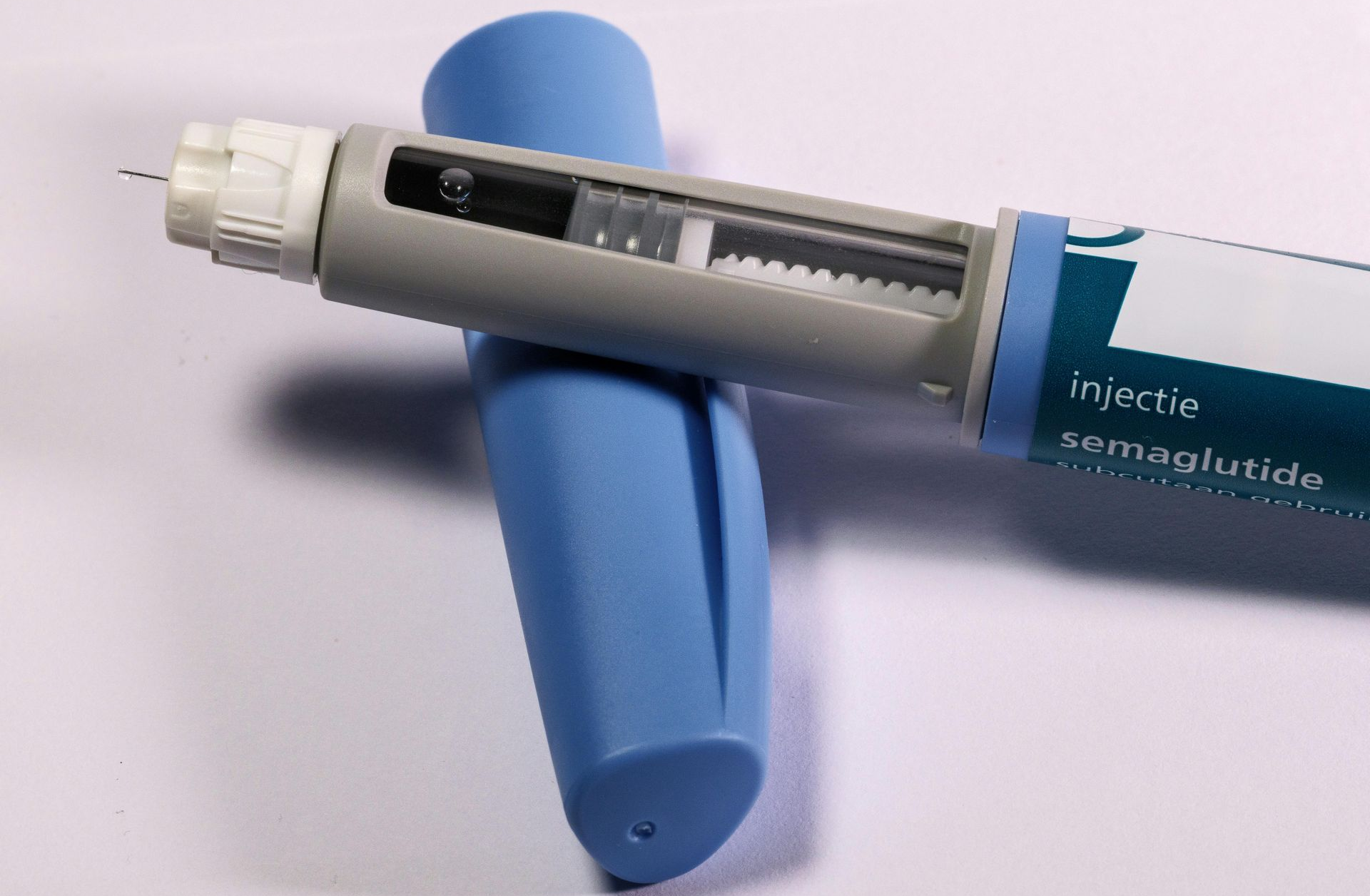
You've probably heard about tirzepatide (Mounjaro/Zepbound). It works. Women lose 20-25% of their body weight. It's proven. FDA-approved.
But some clinics are now offering "microdosing"- using much smaller doses than the standard starting dose.
Here's the truth:
- Zero clinical trials exist for microdosing.
- Not "limited data." Not "small studies." Zero.
We know:
- Standard-dose tirzepatide (2.5 mg starting dose) works
- Slowly titrating up (increasing dose gradually) minimizes nausea
- Microdosing has no proof it works
Why are clinics doing it?
Potentially, reduced doses could enable treatment for a greater number of patients with the same quantity of medication, resulting in increased profits. This approach isn’t driven by scientific endorsement. "Microdosing" GLP-1s involves administering much smaller quantities than those sanctioned by the FDA. This practice is occasionally employed to help individuals save money or lessen side effects. However, microdosing comes with genuine risks, including inaccurate dosing, diminished efficacy, and other safety concerns. If you believe a smaller GLP-1 dose may be necessary, consult your prescriber to explore your options.
My honest take:
If you want tirzepatide, use the dose that has evidence. If you're worried about nausea, slow titration is the proven strategy- not microdosing.
Bottom line:
Microdosing has zero evidence of efficacy. It's a trend, not science. I do have a few women who ask to try smaller‑than‑standard doses of GLP‑1 medications, and I’m willing to individualize when it makes sense. Using a lower dose isn’t dangerous or “wrong,” but it’s also not how the medication was studied, and it usually won’t be as effective as using the evidence‑based dosing and titration schedule that were proven in clinical trials.
What is exciting is that newer research in postmenopausal women shows that when tirzepatide is combined with menopause hormone therapy, women lose more weight than with tirzepatide alone. In a real‑world study of 120 postmenopausal women, those on both tirzepatide and hormone therapy lost about 17% of their body weight vs about 14% with tirzepatide alone, and 45% of the combination group reached at least 20% total body weight loss compared with only 18% of women on tirzepatide without hormone therapy.
For many midlife women, this means the most powerful and evidence‑based approach is not “microdosing” GLP‑1s, but using them at studied doses, paired with well‑managed hormone therapy, plus the basics- nutrition, movement, sleep, and nervous‑system regulation.
Part 3: The Quality Problem (What’s Really In Your Peptide?)
Research-grade vs. pharmaceutical-grade:
- Research-grade (cheap, common in compounding): Made for labs, not people. May contain bacteria, heavy metals, endotoxins, or wrong doses. No human safety standards.
- Pharmaceutical-grade (expensive, safer): Strict purity testing, verified potency, made for human use.
In 2025, the FDA tightened rules: bulk peptides must come from registered facilities. Several were banned from compounding due to safety/data concerns:
- BPC-157, AOD-9604, CJC-1295, GHRP-2, GHRP-6
Red flag:
If someone offers banned peptides or can’t show purity testing from an FDA-registered source, walk away.
Ask before injecting anything:
- “Where does this come from?”
- “Can you show recent purity/contamination tests?”
- “Is it pharmaceutical-grade?”
No clear answers? That’s your body saying no.
Part 4: What Menopausal Women Actually Need (The Real Talk)
Let me be direct with you about something.
Menopause is real. The weight gain is real. The brain fog, the fatigue, the joint pain- it's all real.
You're not crazy for wanting a solution.
But here's what the research actually shows works best for menopausal women:
For Hot Flashes and Night Sweats:
✓ Hormone therapy (estrogen + progesterone) – Most effective, proven in decades of research
- Reduces flashes by 75-90%
- Improves sleep
- Improves quality of life
Nothing else comes close. No peptide replaces this.
For Weight Gain:
✓ Tirzepatide (Zepbound/Mounjaro) – 20-25% weight loss, proven
✓ Hormone therapy – Helps metabolism
✓ Exercise + strength training – Essential, proven
✓ Calorie deficit – It’s effective, particularly with a daily deficit of 500 calories. However, I prefer to emphasize time-restricted eating windows and a circadian rhythm approach to nutrition.
Peptides? Collagen might help bone health. Semorelin might help lean muscle. But neither is as effective as tirzepatide.
For Bone Health:
✓ Calcium (ideally from food) + vitamin D + exercise – Foundation
✓ Hormone therapy – Protects bone
✓ Prescription medications (if osteoporosis) – Most effective
△ Collagen peptides + above – Modest additional benefit
For Skin:
✓ Sunscreen – Prevents damage
✓ Tretinoin cream – Proven to reduce wrinkles
✓ Vitamin C + retinol – Evidence supports these
△ Topical copper peptides – Decent evidence for modest benefit
For Energy and Muscle:
✓ Hormone therapy – Biggest impact
✓ Exercise (especially strength training) – Essential, proven
△ Semorelin – Modest benefit if monitored carefully
The pattern? Proven therapies first. Emerging therapies second.
Part 5: How to Think About Peptides
Simple 3-step filter:
- What’s my goal? Weight? Energy? Joints? Skin? Bones?
- What’s the evidence level?
- Strong: Hormone therapy, GLP-1s (tirzepatide), exercise, nutrition, sleep, oral collagen (modest bone/skin support).
- Weak/early: BPC-157, TB-500, growth hormone peptides (mostly animal/tiny human studies).
- Avoid: GLP-1 microdosing, AOD-9604 for fat.
3. Once more, begin with established options and incorporate experimental ones later. Consider using peptides only if the fundamentals do not succeed and you're comfortable with limited information.
This keeps it safe, simple, and effective for your midlife body.
Part 6: Questions to Ask Before Any Peptide
- “What human studies support this for women like me?”
- “What do we know about long‑term safety in midlife women?”
- “Where is this made, and how is purity tested?”
- “What labs or symptoms will we monitor, and when do we stop if it’s not helping?”
If those answers aren’t clear, pause.
Part 7: What I Actually Use Most
For most menopausal women, the highest‑value tools are:
- Menopause hormone therapy (when appropriate)
- GLP‑1 medications like tirzepatide for weight and metabolic health
- Strength training and daily movement
- Nutrition, sleep, and nervous‑system regulation
- Oral collagen peptides as gentle support for bones, joints, and skin
Peptides like BPC‑157, TB‑500, or growth‑hormone–type peptides, if used at all, belong in carefully selected, well‑monitored cases- never as a casual “anti‑aging” add‑on.
Part 8: Bottom Line
You’re not wrong for being curious about peptides. But your midlife body is usually best served by:
- Proven therapies first
- High‑quality sourcing
- Clear goals and monitoring
- Only then, very selective use of emerging peptides
Most women will feel dramatically better with optimized hormones, GLP‑1s when indicated, and strong lifestyle foundations- without ever needing the more experimental peptide therapies.
Part 9: Your Next Step
You now have a comprehensive understanding of peptides.
Are you prepared to create your plan?
Let's discuss what aligns best with your body, your lab results, and your objectives. No speculation- just effective solutions!
Midlife is the perfect time to regain your energy. Let’s turn that into reality. Click here to set up a visit with me!
This guide was written by a Board-Certified Family Nurse Practitioner specializing in menopausal women's health, based on peer-reviewed research, FDA guidance, and 29 years of clinical practice. This is educational information to help you make informed decisions, not personal medical advice. Always work with a qualified healthcare provider before starting any new therapy.