Your brain in menopause: how Magtein supports memory, mood, and sleep in 2026.
During a visit last week, Sarah, 52, sighed and said: “I can’t think of my phone password anymore. I’ll be in the middle of a sentence and suddenly blank out. I’ll walk into a room and have no idea why I’m standing there. I came back into the living room last night and stood in the middle of the floor like an idiot, trying to remember what I came in for.”
She paused, then added: “I know I’m smart. I run a team, I manage a household, I’m usually so together. But lately, my brain just feels… slow. I’m exhausted, and I wake up at 3 a.m. wide awake and anxious, and sometimes I even head to the kitchen for a snack!"
She’s not alone. That “menopause brain” - short-term memory slips, trouble focusing, poor sleep, and emotional rollercoaster - is one of the most painful parts of this transition. I see it every day: the smart, high-achieving women who suddenly feel like they’re losing their edge.
The good news? New research shows there’s a magnesium form that actually targets your brain, not just your muscles. Let’s talk about Magtein and why it’s become a game-changer in my menopause toolkit.
What Is Magtein?
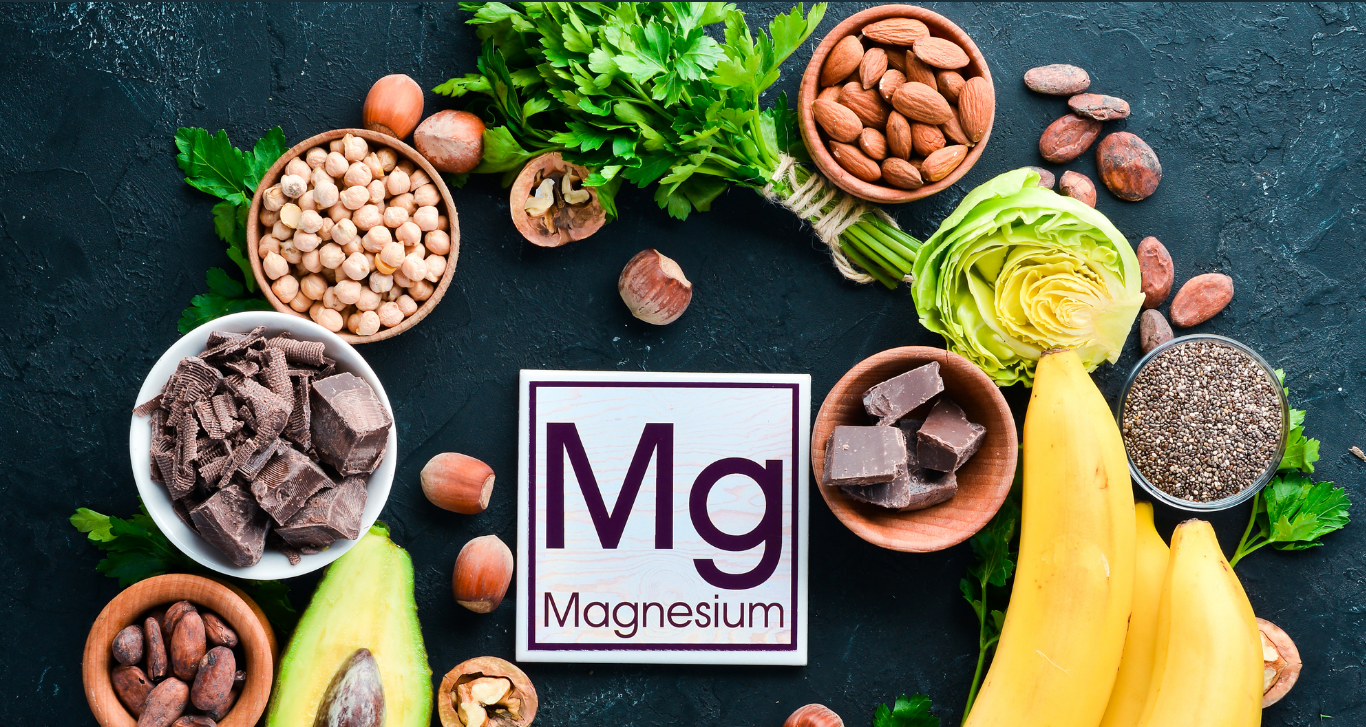
Magtein is a patented form of magnesium L-threonate. Unlike regular magnesium (citrate, glycinate, oxide), Magtein is specifically designed to cross the blood-brain barrier and increase magnesium levels inside your brain cells. Magnesium itself is a cofactor in over 300 reactions in the body and is crucial for nerve function, mood, sleep, and energy. But in perimenopause and menopause, estrogen decline can lower magnesium levels and make your brain more sensitive to stress and sleep disruption.
Magtein is the form used in the latest NIH-sponsored trial that’s getting a lot of buzz in 2026.
Why It’s Important (2026 Research & Benefits)
A brand-new randomized, double-blind, placebo-controlled trial just published in early 2026 looked at adults with self-reported “dissatisfied sleep” and tested Magtein for 6 weeks. Here’s what it found:
- Cognitive age improved by 7.5 years on average in the Magtein group vs. placebo, based on the NIH Toolbox cognitive testing.
- Working memory and reaction time significantly improved (the kind of sharpness that makes it easier to remember where you left your phone, follow conversations, and focus at work).
- Subjective sleep quality got better in those with more significant sleep issues, and they felt more restored.
- Physiological stress markers improved: lower resting heart rate and higher heart rate variability (HRV) during sleep, which means your nervous system was calmer and more resilient.
In simpler terms: this isn’t just “maybe helps with sleep.” This is a form of magnesium that’s shown to reverse aspects of brain aging, improve memory, and help your body recover from stress - all things that are on fire in menopause.
Why This Should Matter to You (Perimenopause, Menopause, and Aging)
Think about what you’re facing in midlife:
- Estrogen drop → harder for your brain to use magnesium, more brain fog, and mood swings.
- Sleep disruption → worse memory, fatigue, productivity, and cravings.
- Increasing stress load → higher risk of cognitive decline down the line.
Using Magtein isn’t about “fixing” you, it’s about supporting your brain and nervous system during this high-demand transition, and giving yourself a buffer against aging-related cognitive changes.
For my patients, I often frame it this way:
“Hormone therapy is like the foundation of your menopause home.🏡 Lifestyle (sleep, exercise, nutrition) is the walls and insulation. Things like Magtein are the smart upgrades that help you stay sharp, calm, and resilient throughout your life.”
What You Need to Know: How to Use Magtein
1. Which Brand? (Reputable, Researched, Authentic)
Not all magnesium L-threonate is the same. Here are the brands I usually recommend because they use the clinically studied Magtein® form and are third-party tested for purity:
Metagenics Magtein® Magnesium L-Threonate – the most widely used professional form, high-quality, and what I recommend in my practice.
Life Extension Magnesium L-Threonate (Magtein) – rigorous testing, good for those with sensitive stomachs.
Designs for Health Magnesium L-Threonate – uses Magtein, often used by functional medicine providers for brain health.
Avoid generic “magnesium L-threonate” products without clear labeling of Magtein®; they may not be the same formulation used in the studies. You can access my favorite Magtein brands on Fullscript here.
2. How Much to Take
The 2026 NIH trial used:
- 2,000 mg of Magtein magnesium L-threonate per day, split into 2 doses.
- This equals about 145 mg of elemental magnesium daily.
In my practice, I typically start peri- and postmenopausal women at:
- If it is 3 capsules, I recommend taking 1 earlier in the day with food, then 2 capsules after dinner or 1-3 hours prior to bed
3. When to Take It
- Split dose: One in the morning, one in the evening, about 1 to 3 hours before bedtime.
- Can be taken with or without food; many of my patients find it easier on the stomach with a small meal or snack.
- If taking in the evening, I usually suggest:
- With dinner or a light snack
- Not with large amounts of calcium-rich foods at the same time (to avoid mineral competition).
4. Side Effects and How Soon They Subside
- Most common: mild stomach upset or loose stools, especially at higher doses or if taken on an empty stomach.
- Some women report feeling drowsy, especially at night doses.
- These usually subside within 1–2 weeks of consistent use as your body adjusts.
- Rare concerns: caution with kidney disease (talk with your provider), and possible interaction with certain blood pressure or psychiatric meds.
If you have kidney disease, high blood pressure, or are on meds, please check in with me before starting.
5. When Will It Start Working?
- 3-6 weeks for noticeable improvements in focus, mental clarity, and daytime function.
- 6-12 weeks for more robust cognitive benefits (memory, working memory, reaction time) and sleep quality changes.
I always tell my patients:
“Think of this as building a stronger brain foundation, not a quick fix. Combine it with
good sleep, stress management, and movement, and it can be a powerful piece of your menopause brain health plan.”
If you’re reading this and thinking:
- “Yes, that’s my brain fog…”
- “I want to support my long-term brain health, not just survive menopause…”
…then Magtein is absolutely worth considering.
Next Steps:
- Pick a reputable Magtein brand (access my favorite brands here).
- Start low (1 capsule daily working up to 3 capsules) and go slow.
- Be patient: 6–8 weeks is the sweet spot for evaluating benefit.
Need help?
If you’d like help deciding whether Magtein is right for you, and how to add it into a broader menopause protocol tailored just to you, book a visit with me and let’s create your personalized plan.
👉 Schedule 1:1 visit with me here, and together we’ll design a brain health strategy that truly aligns with your lifestyle.
Because menopause shouldn’t mean losing your sharpness, your calm, or your confidence in your own mind.
Medical Disclaimer: This information is for general education only and is not personal medical advice. Always consult your healthcare provider before starting or changing any supplement or treatment, especially if you have health conditions or take medications.