The real story about your brain during menopause.
You’re standing in a meeting at work and suddenly feel overwhelmed. Your eyes fill with tears over something that would have barely registered a year ago. That evening, you snap at your partner over something small and can’t shake the guilt. A week later, you’re sitting on the couch unable to focus on a book you were loving, and you can’t remember why you walked into the kitchen.
These moments can feel like they’re coming out of nowhere- like you’re losing control, becoming “too sensitive,” or maybe even going crazy. In reality, they’re not character flaws or emotional weakness. They are visible signs of a major brain transition that happens during perimenopause and menopause. Believe me when I say that I frequently hear these same concerns from women, which means you are certainly not alone in this!
Understanding what is really happening in your brain changes how you see yourself- and it gives you real tools to feel like you again.
What the science shows: it’s real biology
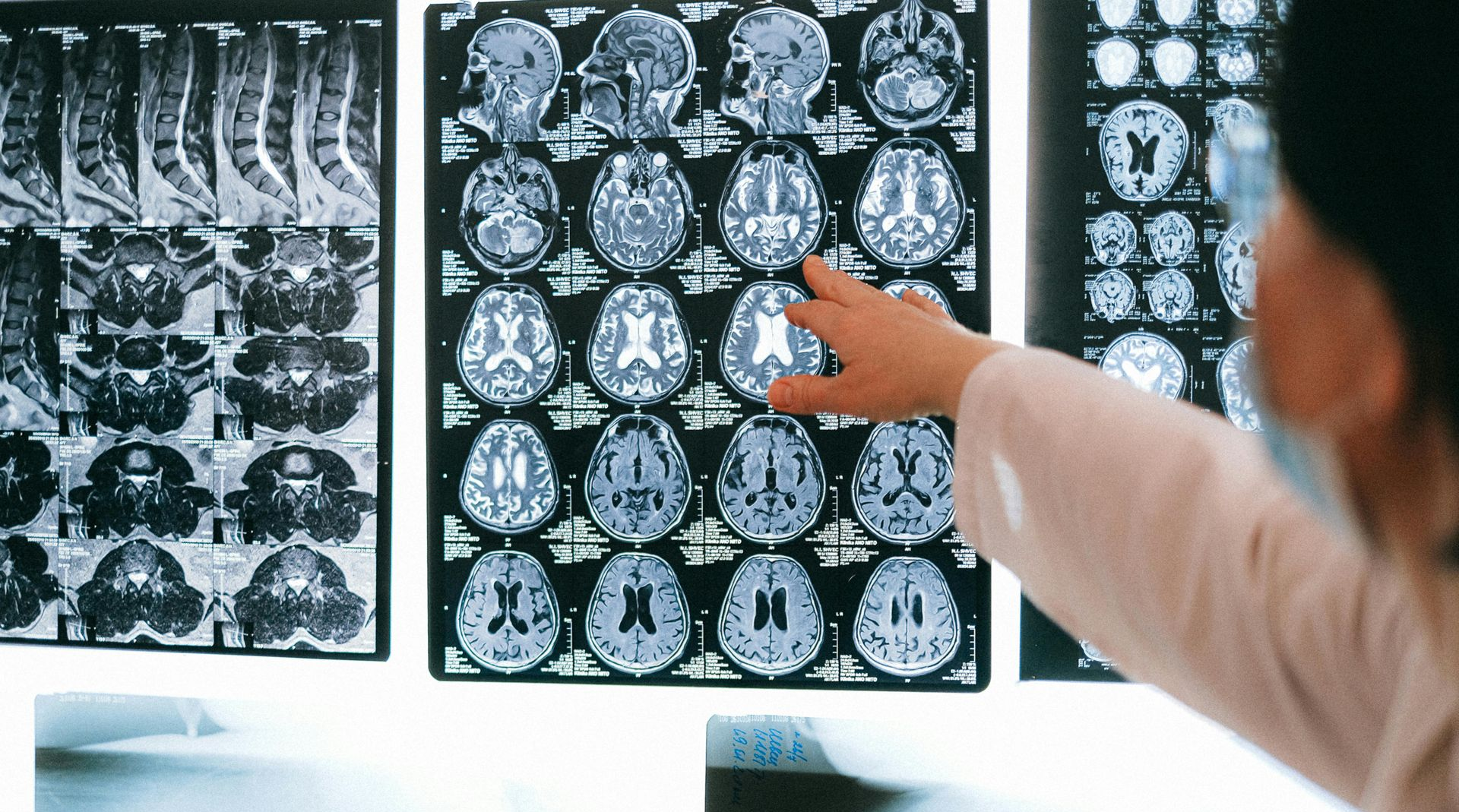
Over the last several years, researchers have used advanced brain imaging to watch what happens to women’s brains during the menopause transition. The findings are validating: there are measurable changes in brain structure, chemistry, and function
.
Your brain is physically changing
As estrogen levels start to fluctuate and then decline, some brain regions show small but measurable changes in volume, especially areas involved in memory, planning, and emotional regulation.
- Gray matter: Studies have found modest reductions in gray matter volume in parts of the frontal cortex, temporal lobes, and hippocampus in midlife women, particularly around the menopause transition. These regions help you remember names, find words, manage your reactions, and keep your thoughts organized, so when they are under stress, you may notice brain fog, forgetfulness, or feeling easily overwhelmed.
- White matter: White matter is like the brain’s highway system, allowing different areas to communicate smoothly. Menopausal women often show more white matter “hyperintensities” on scans- tiny spots that reflect small vessel changes and tissue stress. These are associated with slower processing, balance issues, and sometimes mood symptoms.
Researchers have also used PET scans (a type of imaging that looks at how molecules act in the brain) to study estrogen signaling. Emerging evidence suggests that, as estrogen levels fall, some brain regions appear to increase or reorganize their estrogen signaling-almost like turning up the sensitivity to make the most of what’s left. Think of it as your brain working hard to adapt, even if that adaptation feels rocky for a while.
Your stress and mood circuits are sensitized
Estrogen does far more than regulate periods. It helps fine‑tune three key brain messenger systems: serotonin, dopamine, and norepinephrine.
When estrogen fluctuates wildly (perimenopause) and then drops (menopause), these systems can get out of balance:
- Serotonin changes can show up as mood swings, irritability, increased sensitivity, or feeling “flat.”
- Dopamine shifts can look like low motivation, trouble enjoying things you used to love, or a tiredness that sleep doesn’t fully fix.
- Norepinephrine shifts can drive anxiety, racing thoughts, a sense of inner restlessness, or feeling “on edge” for no obvious reason.
Research from major academic centers suggests that, in some brain regions, altered estrogen signaling is linked to worse cognitive and mood symptoms. In other words, your emotional and cognitive symptoms match what we’re seeing in the brain.
Inflammation and the brain’s immune response
Another newer piece of the puzzle: estrogen helps regulate inflammation in the brain. When estrogen drops, animal and early human studies show that brain immune cells (microglia) can become more active and pro‑inflammatory molecules can increase, especially in regions that manage mood and stress.
A simple way to picture this: your brain isn’t just going through a chemical dip- it is mounting a mild “immune response” to the loss of a hormone it has depended on for decades. That low‑grade inflammatory state can contribute to depression, anxiety, and cognitive fog.
Why you might feel it more than your friend
Not every woman will struggle with mood or cognition during menopause, which can make you feel even more alone. Research helps explain why some brains are more vulnerable than others.
Different brains, different sensitivity
A landmark study in JAMA Psychiatry looked specifically at estrogen withdrawal and mood. Women received estrogen and then had it withdrawn under controlled conditions. Only some women developed depressive symptoms- even though their hormone levels and hot flashes were similar. This tells us your brain’s sensitivity to hormone changes matters, not just the hormone level itself.
Past depression or anxiety
If you’ve had depression or anxiety before, your risk of experiencing them again during perimenopause is higher. One study found that women with a history of depression had about a 59% chance of another episode during the transition, compared with about 28% in those without that history. Your brain’s mood circuits may simply be more reactive during times of hormonal change.
Trauma reactivation
For women with a history of trauma, this stage of life can be particularly difficult. I recently addressed this subject due to my own understanding of how trauma influences the transition into menopause. Research shows that trauma‑exposed women in their midlife years often report the highest levels of posttraumatic stress symptoms compared with earlier adulthood. Hormone fluctuations do not create new trauma, but they can “turn up the volume” on old wounds- leading to more nightmares, flashbacks, or hypervigilance.
Earlier menopause and higher risk
If your menopause happened before age 45- especially before 40- your brain has had fewer years of estrogen exposure overall. Studies link earlier menopause with more brain volume loss, higher risk of cognitive decline, and greater likelihood of depressive symptoms over time. Again, this is risk, not destiny- but it’s a reason to be more proactive with brain support.
Timing matters: the “window of opportunity”
The first 5–10 years after your final period are often described as a “window of opportunity” for protecting brain, heart, and bone health. During this window, interventions like hormone therapy, antidepressants when needed, therapy, and lifestyle changes are associated with better outcomes than starting the same things much later.
That doesn’t mean it’s “too late” after that window. It does mean that if you are in your 40s or 50s and in the early years of menopause, this is a powerful time to give your brain extra support.
What you can do: the “brain support” toolkit
Knowing this is brain biology- not a personal failing- opens the door to targeted support. You’re not waiting for things to magically improve. You’re actively helping your brain through a major transition.
1. Hormone therapy: directly supporting brain chemistry
For women who are good candidates, menopausal hormone therapy (MHT) can help stabilize estrogen levels and reduce the stress on brain circuitry.
- Transdermal estradiol (patch) in early postmenopause can improve hot flashes, sleep, mood, and sometimes cognition, and may have favorable effects on brain blood flow and structure.
- Starting MHT within 10 years of the final menstrual period and before age 60 is associated with better safety and, in some analyses, reduced overall mortality.
Hormone therapy is not right for everyone. Your provider should review:
- Your age and years since menopause
- History of blood clots, stroke, heart disease, or breast cancer
- Choice of route (patch vs pill), dose, and type of progesterone if you have a uterus
The goal is the lowest effective dose that relieves symptoms and protects bone and long‑term health, while minimizing risk.
2. Therapy: rewiring mood and stress circuits
Talk therapy is not “just talking.” It actively helps retrain the way your brain responds to stress during a time when those circuits are more sensitive. This essential intervention should not be underestimated; take its potential benefits seriously for your well-being during this pivotal time.
Cognitive Behavioral Therapy (CBT) has strong evidence in perimenopause and menopause. Studies show CBT tailored for menopausal women can improve:
- Depressive symptoms
- Anxiety
- Sleep quality, insomnia
- Distress from hot flashes and night sweats
These benefits can last months beyond the end of treatment. CBT teaches you to notice and gently shift the thoughts and behaviors that keep your nervous system revved up.
For women with a trauma history, trauma‑informed therapy is especially important. A clinician who understands both trauma and menopause can help you recognize when old patterns are being reactivated by hormonal shifts and guide your nervous system back toward safety and stability.
Mindfulness‑based programs (like MBSR) and compassion‑focused approaches can also reduce distress and reshape brain regions involved in emotional regulation over time.
3. Antidepressants: supporting key neurotransmitters
For moderate to severe depression or anxiety, antidepressants such as SSRIs and SNRIs are well‑studied options in menopause.
- They increase the availability of serotonin and norepinephrine- the very messengers affected by estrogen changes.
- Several SSRIs/SNRIs also reduce hot flashes by roughly 40–60%, which means one medicine can help both emotional and physical symptoms.
They usually take 2–6 weeks to have full effect. Many clinicians combine antidepressants with hormone therapy for women with significant mood symptoms in early menopause, so the brain gets both quicker relief and longer‑term hormonal stability.
4. Mediterranean/MIND way of eating: feeding your brain
This isn’t about dieting. It’s about giving your brain the nutrients it needs to calm inflammation and support energy and signaling.
Research on Mediterranean‑style and MIND diets shows:
- Better cognitive performance
- Lower rates of depressive symptoms
- Fewer bothersome menopausal symptoms in some women
Key patterns include:
- Plenty of colorful vegetables (especially leafy greens)
- Berries and other fruits rich in antioxidants
- Olive oil as the main fat
- Fatty fish (like salmon or sardines) or plant omega‑3s
- Nuts, seeds, legumes, and whole grains
- Limited ultra‑processed foods, added sugars, and excessive alcohol
In at least one study, women combining regular aerobic exercise with a MIND‑like dietary pattern showed cognitive improvements of a similar order of magnitude to those seen with hormone therapy. That’s a powerful reminder that small, consistent lifestyle choices matter.
5. Movement: turning on your brain’s “feel‑good” chemistry
Exercise is one of the most reliable ways to boost serotonin, dopamine, and norepinephrine naturally.
Regular movement has been shown to:
- Increase gray matter in brain regions that usually lose volume with age
- Improve blood flow and support white matter health
- Reduce inflammation and oxidative stress
- Improve sleep and energy, which further stabilizes mood
What helps most:
- Aim for about 150 minutes per week of moderate aerobic activity (brisk walking, cycling, dancing, swimming), plus 2–3 days of strength training
- Focus on consistency over intensity- steady, doable movement beats sporadic “boot camps”
- Choose movement you enjoy; social or outdoor exercise has extra mental health benefits
6. Sleep: the brain’s nightly reset
Sleep is when your brain consolidates memories, clears out metabolic waste, and processes emotions. Hot flashes, night sweats, and anxiety can make that difficult during menopause.
Helpful strategies include:
- Keeping your bedroom cool and using light, breathable layers
- Creating a consistent wind‑down routine and sleep/wake schedule
- Getting morning light exposure and dimming screens in the evening
- Considering targeted help like CBT‑I (Cognitive Behavioral Therapy for Insomnia), which has strong evidence in midlife women and often works within 4–6 weeks
As sleep improves, many women notice that mood swings soften and thinking becomes clearer.
7. Social connection: quiet medicine for your brain
Meaningful connection is one of the most underrated brain‑support strategies. Loneliness and isolation increase inflammation and worsen both mood and cognitive symptoms, while regular connection can buffer stress and support brain health over time.
“Connection” can be:
- Regular calls or walks with a friend
- Support groups (online or in‑person) for women in midlife
- Classes, volunteering, or community activities that help you feel seen and valued
You’re not supposed to white‑knuckle this alone.
When to reach out for more support
You don’t have to wait until things feel unbearable to ask for help. It is especially important to reach out if you notice:
- Persistent sadness, hopelessness, or emptiness lasting more than two weeks
- Thoughts that life isn’t worth living, even if they are fleeting
- Anxiety that makes it hard to function at work or at home
- Sleep that stays poor despite trying basic strategies
- Emotional numbness, or feeling like nothing brings joy
- Anger or irritability that feels out of proportion and is harming relationships
- Old trauma symptoms returning (nightmares, flashbacks, feeling constantly on guard)
- Worsening forgetfulness, confusion, or difficulty making decisions that worry you
These are not signs that you’re failing- they are signals that your brain needs more support, and that is exactly what good care is for.
The bottom line: this is neurobiology, not a character flaw
Mood changes, anxiety, and cognitive fog during menopause are rooted in measurable shifts in brain structure, chemistry, and immune activity. Your brain isn’t broken and you’re not weak. You are moving through a major neuroendocrine transition.
The empowering part is that there are many evidence‑based tools, such as hormone therapy when appropriate, therapy, antidepressants, movement, nutrition, sleep, and connection- that work with your brain’s biology instead of against it.
If you are in the first years after menopause, this is a particularly powerful time to lean into brain support. You can strengthen resilience, stabilize your mood systems, and protect your thinking for the decades ahead.
You are not losing your mind. Your brain is changing- and with the right support, you can move through this transition with more clarity, stability, and self‑compassion than you might think possible.
Your next step: get a personalized brain‑support plan
Every woman’s brain, history, and risk factors are different. A personalized plan can help you sort out:
- Which symptoms are most likely brain/menopause related
- Whether hormone therapy, antidepressants, therapy, or lifestyle (or a combination) are the best next steps for you
- How to sequence and monitor these changes so you actually feel better, not more overwhelmed
If you’re ready to move from “just coping” to actively supporting your brain:
- Learn more about how I work with women in this stage of life on my website
- Schedule a 1:1 consultation so we can review your story, labs, and symptoms and build a tailored brain‑support roadmap together
You don’t have to figure this out alone! Click the link below to schedule a consultation and start your individualized menopause brain‑support plan.
“This article is based on a review of recent peer‑reviewed studies and expert statements from organizations such as The Menopause Society and major academic centers. It draws on brain imaging studies of menopausal women (MRI and PET), clinical trials of hormone therapy, antidepressants and CBT, and research on diet and exercise patterns like the Mediterranean and MIND diets. The science is simplified into everyday language so that women without a medical background can understand what’s happening in their brains and what evidence‑based options they have. The stories are illustrative composites, not real patient cases, and are used only to help you recognize your own experience.”